Blogs

cmn_banner_cloud_img
blog_details_img 13 May, 2024

How The Space Economy Will Change The World

The Current Landscape: A Flourishing Ecosystem

The space economy encompasses a diverse range of activities, including:

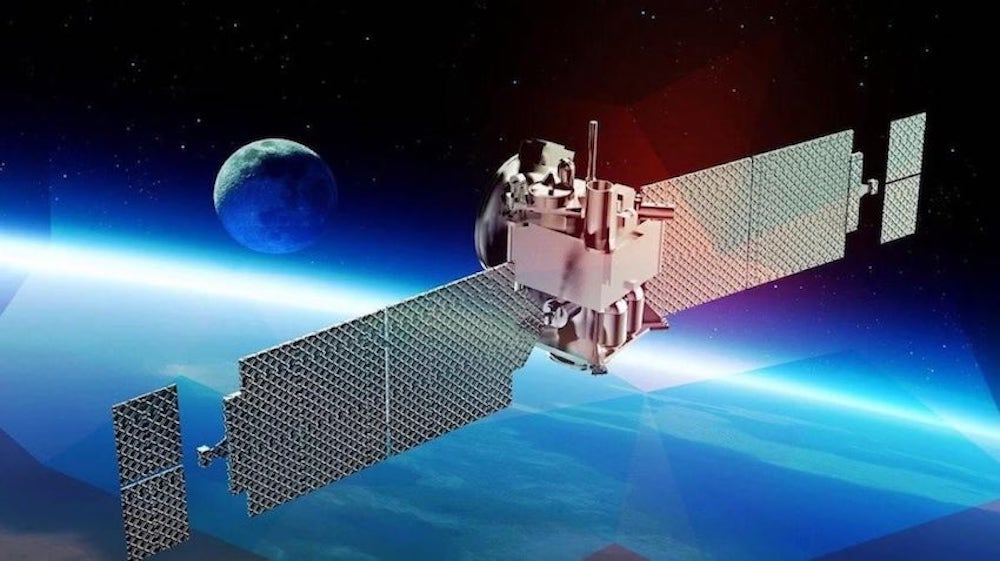
  • Satellite Manufacturing and Launch Services: This traditional segment involves building, launching, and operating satellites for various purposes like communication, Earth observation, and navigation.
  • Space Exploration: Government-backed space agencies and private companies are actively involved in robotic and human missions to the Moon, Mars, and beyond.
  • In-Space Resource Utilization (ISRU): This emerging field focuses on extracting and utilizing resources like water ice found on the Moon and asteroids for spacefaring purposes.
  • Space Tourism: Suborbital and orbital spaceflights are becoming increasingly accessible, paving the way for a nascent space tourism industry.

The global space economy is currently estimated to be worth over $469 billion [1], with the private sector playing an increasingly prominent role. This growth is attributed to several factors:

  • Technological Advancements: Reusable rockets, miniaturization of electronics, and developments in artificial intelligence are significantly reducing the cost of space access and operations.
  • Commercialization of Space: Private companies are actively investing in space ventures, creating a more dynamic and competitive landscape.
  • Growing Demand for Space-Based Services: The applications of space technology are expanding rapidly, with increasing reliance on satellites for communication, navigation, and Earth observation data.

Revolutionizing Industries: A Ripple Effect on Earth

The space economy isn’t just about ventures beyond our planet; it holds immense potential to revolutionize various sectors on Earth:

  • Communication and Connectivity: Satellites provide vital communication infrastructure, enabling internet access in remote areas and facilitating global connectivity. Advancements in satellite constellations like Starlink promise even broader coverage and faster internet speeds in the future.
  • Environmental Monitoring and Sustainability: Earth observation satellites play a crucial role in monitoring climate change, tracking deforestation, and managing natural resources.
  • Navigation and Precision Agriculture: GPS technology provides precise positioning data for various applications.
  • Disaster Management and Response: Space-based observation systems provide real-time data on weather patterns, wildfires, and natural disasters.

Innovation Engine: A Catalyst for Scientific Progress

The space industry has historically been a breeding ground for innovation, with technological advancements developed for space exploration often finding practical applications on Earth.

  • Medical Imaging: CT scan technology originated from the need for X-ray astronomy in space.
  • Wireless Communication: Satellites played a crucial role in the development of cellular networks.
  • Water Purification Systems: Technologies designed for water recycling in space missions have applications in water purification for remote communities.

As the space economy flourishes, it’s expected to further accelerate scientific progress through advancements in material science, robotics, automation, and energy technologies.

Challenges and Considerations: A Responsible Path Forward

While the potential of the space economy is immense, certain challenges need to be addressed:

  • Space Debris: The increasing number of satellites raises concerns about space debris.
  • Accessibility and Equity: Ensuring equitable access to space-based resources is vital.
  • International Cooperation: Global collaboration is necessary for sustainable exploration.

The Road Ahead: Embracing the Opportunities

Despite the challenges, the potential benefits of the space economy outweigh the hurdles. Key focus areas include:

  • Investing in Research and Development
  • Fostering International Collaboration
  • Building a Skilled Workforce

A Glimpse into the Future: A World Transformed

As the space economy matures, we can expect transformative developments:

  • Space-Based Manufacturing
  • Resource Extraction from Asteroids
  • Space Tourism Expansion

The Final Frontier: A Stepping Stone to the Stars

The space economy presents a unique opportunity to push the boundaries of human endeavor, fostering scientific discovery, collaboration, and inspiration for new generations.

Further Considerations

  • Ethical implications of space exploration
  • Potential militarization of space
  • Public engagement to build long-term support

Stakeholders Shaping the Space Economy

Each group plays a crucial role in propelling the space economy forward:

  • Governments: Regulation, funding, and international cooperation
  • Private Sector: Innovation, infrastructure, and commercialization
  • Academia: Research and workforce development
  • Non-Profit Organizations: Advocacy and awareness
  • The Public: Support and engagement

Final Thoughts: A Universe of Potential Awaits

The vast expanse of space has beckoned humanity for millennia, and today, we stand at the precipice of a new era – one where the cosmos is no longer just a realm for exploration, but a burgeoning economic frontier. The space economy holds immense potential to revolutionize numerous sectors, foster scientific breakthroughs, and address global challenges.

As we embark on this exciting journey, it’s crucial to acknowledge the symphony of stakeholders involved. Governments must provide a clear legal framework and invest in research, while the private sector fuels innovation and drives technological advancements. Academia plays a vital role in nurturing the next generation of spacefaring minds, and non-profit organizations ensure public engagement and responsible development. Ultimately, the success of the space economy hinges on the collective effort of all stakeholders, working in unison towards a shared vision.

However, venturing into the unknown necessitates a cautious approach. Addressing space debris mitigation, establishing ethical guidelines for resource utilization, and ensuring equitable access to the benefits of space exploration are paramount. International collaboration is vital to navigate these challenges and foster a peaceful and sustainable future in space.

The space economy is not merely about economic gains; it’s a testament to human ingenuity and a potential catalyst for a brighter future. By harnessing the power of innovation, embracing international cooperation, and ensuring responsible development, we can unlock the immense potential that lies beyond our planet. The final frontier beckons, and as we venture forth, we carry with us the collective dream of a future where the stars are not just a distant twinkle, but a testament to the boundless potential of humanity.

This journey into the cosmos is not without its challenges, but the potential rewards are immeasurable. As we strive to push the boundaries of human endeavor, let us do so with a sense of responsibility, collaboration, and a shared vision for a future where the benefits of space exploration reach every corner of our planet and propel us towards a brighter tomorrow. The universe awaits, brimming with potential, and it’s up to us to ensure that our exploration of this vast frontier paves the way for a future filled with wonder, discovery, and the promise of a better tomorrow.