 19 Apr, 2024
Beyond the Hype: Web3’s Potential to Reshape the Future of Art and Culture
Web3 and the Transformation of Art and Culture
The digital revolution has radically transformed how we engage with art and culture. Online museums, virtual galleries, and social media platforms have democratized access, allowing global audiences to explore art and interact with creators. However, the next phase—Web3—promises to take this transformation further by fundamentally reimagining ownership, participation, and monetization in the cultural landscape.
1. Understanding Web3: Decentralization, Transparency, and Tokenization
Web3, built on blockchain technology, differs from the centralized Web2 by prioritizing user ownership, transparency, and interoperability. Its core principles shape the future of art and culture:
Decentralization
- Empowers artists: Bypasses traditional gatekeepers like galleries and auction houses. Artists can connect directly with global audiences, control pricing, and distribute work independently.
- Democratizes participation: Anyone, regardless of location or resources, can create, collect, or fund art.
Transparency
- Trust and verifiability: Blockchain provides immutable records of ownership and provenance, reducing fraud and forgery.
- Fractional ownership: High-value artwork can be tokenized, allowing multiple collectors to hold shares and increasing market liquidity.
Tokenization
- NFTs: Unique digital tokens represent ownership of physical or digital assets.
- New revenue streams: Artists can embed royalties, unlockable content, or exclusive event access in NFTs.
- Programmable art: Smart contracts ensure artists benefit from secondary sales.
The Metaverse
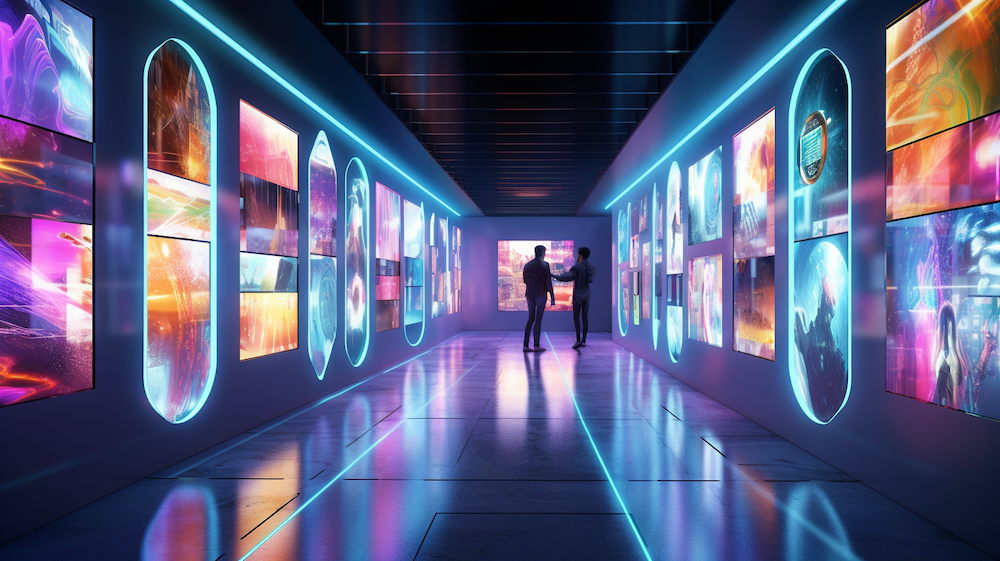
Virtual worlds enable immersive art experiences, from virtual galleries to interactive exhibitions, further expanding the cultural landscape.
2. How Web3 Disrupts and Reimagines the Art World
Empowering Artists
- Platforms like OpenSea and SuperRare allow artists to showcase work globally without intermediaries.
- Artists gain control over pricing, distribution, and audience engagement.
Democratizing Ownership
- Fractional NFT ownership makes art collecting accessible to a wider audience.
- Increases liquidity and lowers barriers for emerging collectors.
New Revenue Streams
- Royalties on secondary sales
- Unlockable content and exclusive community experiences
- Community-driven patronage
Evolving Art Forms
- Generative and interactive art using blockchain technology
- Dynamic, programmable experiences in the metaverse
3. Case Studies of Web3 Innovation
- Beeple’s “Everydays: The First 5000 Days” - Sold for $69.3M in 2021, marking the legitimacy of digital art and NFTs.
- CryptoPunks & Bored Ape Yacht Club - Pixelated NFT avatars creating online communities and cultural status symbols.
- Decentraland & The Sandbox - Virtual worlds enabling immersive art exhibitions and interactive NFT experiences.
- DAOs for Art - Communities like Flamingo DAO pool resources and democratize acquisition and curation of high-value art.
4. Challenges in Web3 Art
Technical Complexity
- Barrier for non-technical artists and collectors
- Solutions: User-friendly platforms, educational resources, and community mentorship
Environmental Impact
- Energy-intensive blockchain protocols raise sustainability concerns
- Solutions: Shift to proof-of-stake, carbon offset initiatives, green technology adoption
Market Volatility
- NFT prices fluctuate, creating financial uncertainty
- Solutions: Focus on artistic value and long-term revenue streams (royalties)
Regulatory Uncertainty
- Intellectual property, copyright, and legal frameworks are still evolving
- Solutions: Collaboration between artists, policymakers, and legal experts; establishing industry standards
5. Building a Sustainable Web3 Art Ecosystem
- User-friendly tools & education: Tutorials, workshops, and intuitive platforms
- Sustainable blockchain solutions: Energy-efficient protocols and carbon-neutral initiatives
- Community and governance: Artist-run marketplaces, DAO curation, and collaborative standards
- Regulatory clarity: Balancing innovation with protection, adaptability for evolving technologies
6. Web3 Beyond Visual Arts: Cultural Inclusion Across Industries
Music
- Direct artist-to-fan engagement, fan tokens, and decentralized streaming
Film & Entertainment
- Tokenized financing, interactive storytelling, decentralized distribution
Fashion
- Digital fashion NFTs, virtual clothing ownership, and experiential retail
Gaming
- Play-to-earn economies, true ownership of virtual assets, DAOs for guild governance
Cultural Heritage
- NFT-based provenance tracking, immersive exhibitions, repatriation, and DAO governance
7. The Vision: Inclusive, Creator-Centric Cultural Participation
- Empowering creators: Bypassing gatekeepers, building global audiences, and creating sustainable careers
- Democratizing access: Lowering geographical and financial barriers
- Community-driven initiatives: DAOs and collective ownership fostering cultural engagement
- Collaborative ecosystem: Artists, developers, institutions, and policymakers working together
Conclusion
Web3 represents both opportunity and challenge. It can democratize art, empower creators, and foster innovation, but its success depends on:
- Developing user-friendly platforms
- Prioritizing environmental sustainability
- Stabilizing markets and embedding fair economic models
- Establishing clear, adaptive regulations
By embracing collaboration, education, and responsible innovation, Web3 can transform art and culture into a truly inclusive, participatory, and global experience.
Embrace the Potential, Address the Challenges
Web3 is like a double-edged sword for the cultural landscape. On one hand, it offers exciting possibilities. Creators can now connect directly with fans, bypassing traditional gatekeepers. This empowers them to build sustainable careers and explore new avenues for monetization through NFTs and fan tokens. Additionally, Web3 transcends geographical limitations, making cultural experiences like museum visits accessible to a wider audience.
However, challenges remain. The technical complexity of Web3 platforms and the environmental impact of some blockchain protocols can hinder wider adoption. Furthermore, the volatility of the NFT market and the lack of clear regulations create uncertainty for creators and collectors.
To navigate this new frontier, collaboration is key. Artists, developers, cultural institutions, and policymakers all have a role to play. By working together to develop user-friendly interfaces, prioritize sustainability, and establish clear regulations, we can unlock the true potential of Web3. This will lead to a future where creators are empowered, cultural experiences are accessible to all, and communities come together to shape a thriving and inclusive cultural landscape.